
A strong start in the water
Building Familiarity From the Very Beginning
The first goal is a positive, supported experience with a parent or caregiver. For babies under one, water time is about familiarization and bonding, rather than independent swimming. Toddler lesson readiness depends on the individual child.
Water Safety Awareness
Build an understanding of safer habits in and around the water.
Support Along the Way
Talk about your goals and find an appropriate place to begin.
A starting point for every stage
Parent & Child Water Experiences
These stages help frame your enquiry. Minimum ages, class eligibility and the lesson format must be confirmed with the provider.
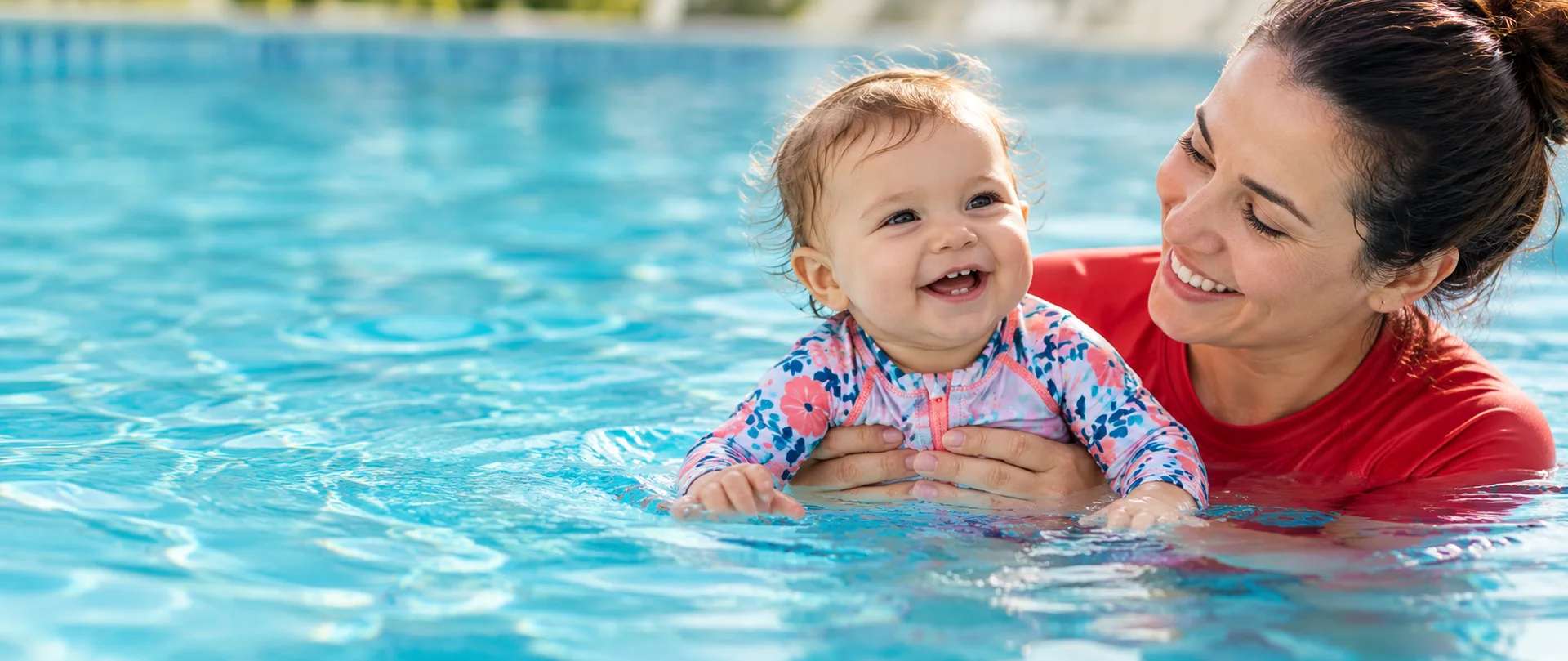
Parent & Baby
Under 1 year · discuss readiness
Explore gentle parent-child water familiarization. Ask your pediatrician about readiness before enrolling an infant.
Early Toddler Experiences
1–2 years · individual readiness
Ask about parent participation and an appropriate introduction to the pool for your child's stage of development.
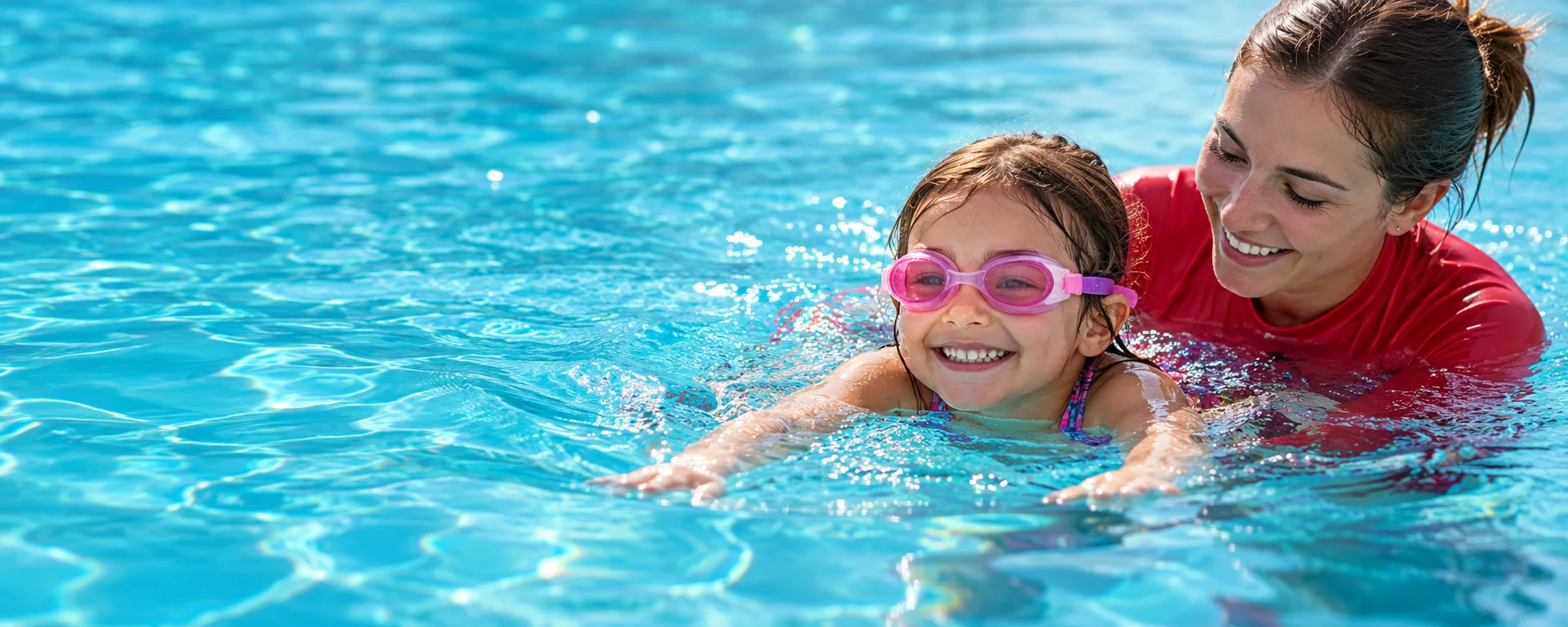
Growing Water Confidence
2–3 years · individual readiness
Discuss a starting point that considers your toddler's comfort, communication and previous water experience.
More than a first splash
Connection, Curiosity & Growing Comfort
A young child's first water experiences should leave room for reassurance and individual readiness. Ask how the class supports parents as well as children.
Close Adult Support
Keep babies, toddlers and weak swimmers within arm's reach.
Parent Involvement
Ask how parents and caregivers take part in class.
A Gentle Introduction
Make comfort and readiness part of every discussion.
Shared Discovery
Build a positive connection with water together.
Frequently asked questions
Infant & Toddler Swim Lesson FAQs
At what age can my baby start swimming?
For a baby under one, parent-child water experiences are about familiarization and bonding. They are not proven to reduce drowning risk. Discuss readiness with your pediatrician and confirm the provider's minimum age. Many children may be ready for swim lessons after their first birthday, depending on individual development.
Do parents get in the water?
Parent-and-me experiences involve a parent or caregiver in the water. Confirm participation requirements, adult-to-child arrangements and what to bring with your lesson provider before attending.
What should we bring to class?
Ask the provider for its specific checklist, including swimwear, swim diaper requirements where relevant, towels and changing facilities. Bring dry clothes and allow time for changing before and after your session.
Are newborn swimming classes the same as infant swim lessons?
The terms can be used loosely. Do not assume a class accepts newborns or teaches independent swimming. Ask about the minimum age, lesson goals and how the baby is supported, and discuss participation with your pediatrician.
Do swim lessons make a child safe around water?
No. Swimming lessons do not make a child drown-proof and never replace close, constant adult supervision. Infants, toddlers and weak swimmers need an attentive, capable adult within arm's reach in and around water.
Find a swim lesson near you
Your Next Step Starts Here
Share your location and ask about current lesson availability and a suitable starting point.